




We offer our very best prices upfront to Trade & DIY alike
Payments Secured by Stripe
Fast Nationwide Delivery Available
See our 1400+ reviews on Trustpilot.
Payments Secured by Stripe
Quality Products To Your Door
See our 1400+ reviews on Trustpilot
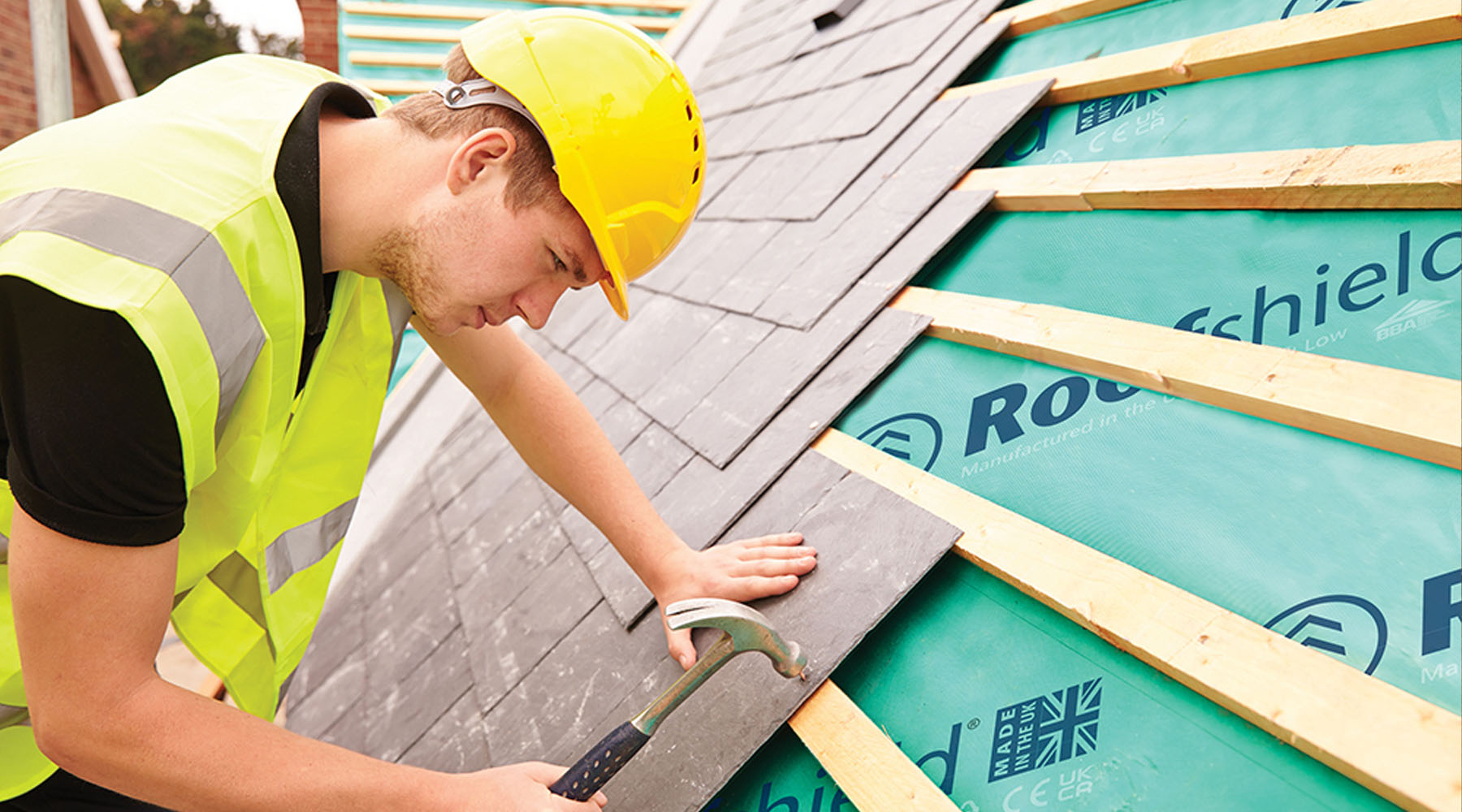
Replacing or upgrading a roof is one of the most common home improvement projects in the UK. In most cases, you will not need planning permission, but there are important exceptions. This guide explains when permission is required, what building regulations apply, and how to stay compliant when installing a new roof or replacing roof tiles.
In most situations, roof replacement falls under permitted development rights, meaning planning permission is not required.
You typically do not need planning permission if:
This applies to most standard homes across England, Scotland and Wales.
However, permitted development has limits. If your project goes beyond these, you may need formal approval.
Planning permission may be required if your project changes the structure, height, or appearance of your roof.
If you are altering the pitch, raising the roof, or converting a flat roof to a pitched roof, permission is usually required.
Large dormer windows or roof extensions that exceed permitted development limits will need approval.
Switching from traditional slate or tile to a noticeably different material may require permission, especially if it affects the visual character of the property.
Planning permission is more likely if your home is in:
In these cases, even small changes to roofing materials may need approval.
Even if planning permission is not required, building regulations approval is often mandatory.
Building regulations ensure your roof is safe, structurally sound, and energy efficient.
You will typically need building regulations approval if:
Key areas covered include:
Your local building control department or an approved inspector will assess compliance.
Yes, in most cases.
If you are replacing a significant portion of your roof covering, building regulations apply. This is because modern standards require improved insulation and performance compared to older roofs.
For example, replacing old concrete tiles with lightweight roof tiles can reduce structural load while improving thermal efficiency. However, the installation must still meet current standards.
Under permitted development, roofing work must meet the following conditions:
If your project meets these criteria, planning permission is usually not required.
If your property is listed, you will almost always need listed building consent before carrying out any roofing work.
This includes:
Failure to obtain consent can result in enforcement action and legal penalties.
Homes in conservation areas are subject to stricter controls.
You may need planning permission if:
It is always advisable to check with your local authority before starting work.
Selecting the right roofing material can help you stay within permitted development rules and avoid planning complications.
Replacing existing tiles with similar materials is the simplest route. For example:
This often avoids planning permission while still allowing performance upgrades.
Lightweight roof tiles are increasingly popular because they:
These systems are particularly useful for extensions, conservatories and garden buildings where weight is a concern.
Usually permitted development. Building regulations apply if over 25 percent is replaced.
Planning permission is typically required due to structural and visual changes.
Often allowed under permitted development if they do not protrude significantly beyond the roof plane.
May fall under permitted development, depending on size and height limits.
Before starting any roofing project:
This ensures compliance and avoids delays or penalties.
When planning a roof upgrade, consider:
Modern roofing materials allow homeowners to upgrade performance without drastically changing appearance, helping projects stay within permitted development rules.
Most roof replacements in the UK do not require planning permission, provided the structure and appearance remain similar. However, building regulations approval is often required, especially when replacing a significant portion of the roof.
Planning permission is more likely if you:
Careful planning and material selection can help you stay compliant while improving your home.
No, not usually. If the work is like for like and does not change the structure or appearance, it is typically permitted development.
Replacing more than 25 percent of the roof area usually requires building regulations approval.
Yes, in most cases. As long as the appearance is similar, this is often permitted development.
Yes. Significant changes in appearance may require approval, especially in protected areas.
Not usually, provided they do not extend beyond the roof plane and meet permitted development criteria.
We use cookies to improve your browsing experience and show personalised or non-personalised ads. You can accept, deny or manage your preferences at any time.