




We offer our very best prices upfront to Trade & DIY alike
Payments Secured by Stripe
Fast Nationwide Delivery Available
See our 1400+ reviews on Trustpilot.
Payments Secured by Stripe
Quality Products To Your Door
See our 1400+ reviews on Trustpilot
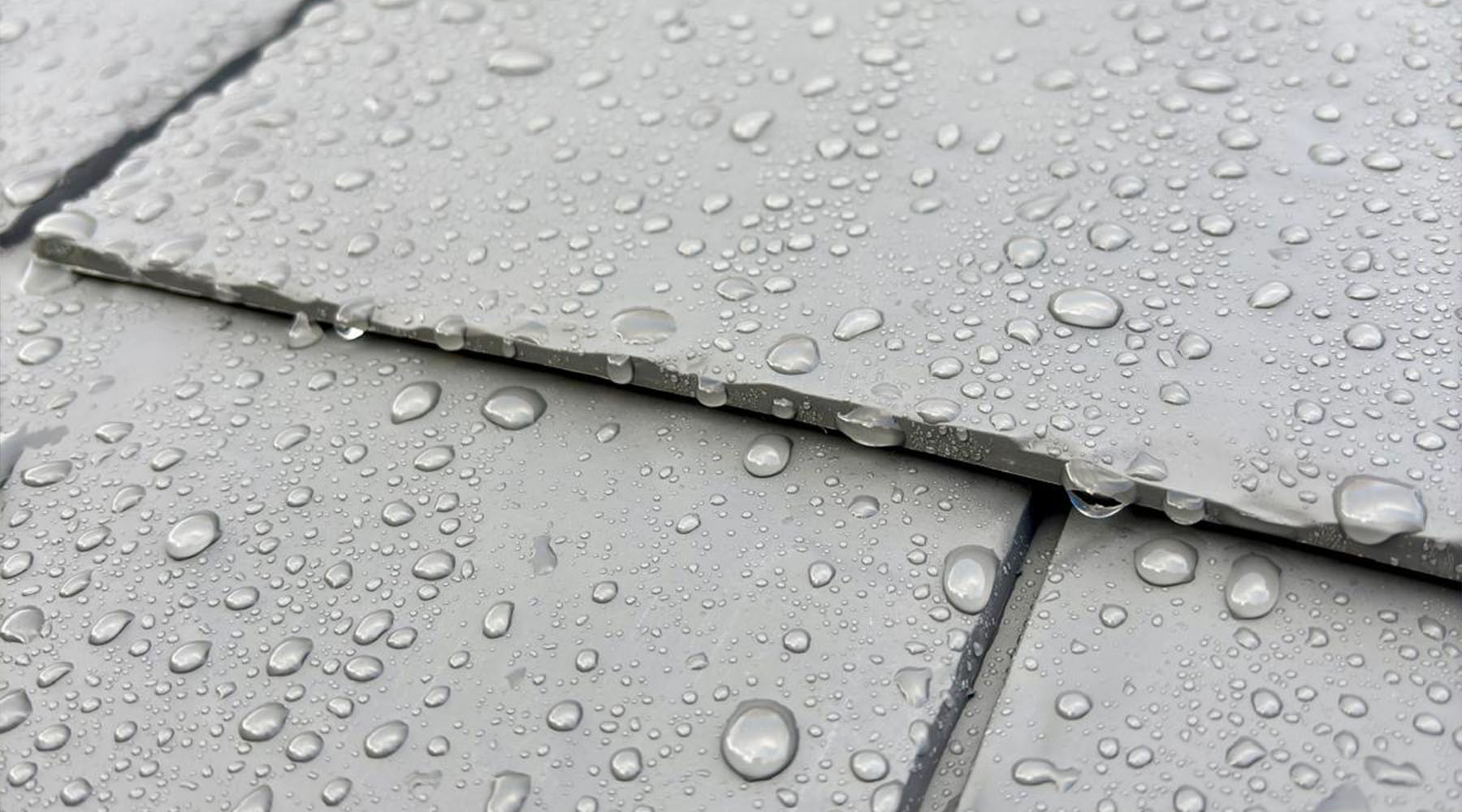
Plastic roof tiles are now one of the most popular alternatives to traditional slate and concrete roofing in the UK. Known for their lightweight design, durability and realistic appearance, they are widely used on homes, extensions, conservatories and garden buildings.
This guide explains everything you need to know about plastic roof tiles, including types, costs, lifespan, installation and whether they are the right choice for your project.
Plastic roof tiles are lightweight roofing products made from recycled polymers or composite materials. They are designed to replicate the appearance of natural slate or traditional tiles while offering improved performance and easier installation.
They are often referred to as:
These tiles are engineered to handle UK weather conditions while reducing structural load on the roof.
Yes, plastic roof tiles are considered a high performance roofing option for many applications.
They offer:
For many homeowners and installers, they provide a practical balance between performance, cost and appearance.
There are several types of plastic roof tiles available in the UK, each suited to different applications.
These are designed to closely replicate natural slate and are commonly used on residential properties.
They offer:
Lower cost options are available for outbuildings and less visible areas.
They typically:
Some plastic tiles use interlocking designs to improve installation speed and weather resistance.
These systems:
Plastic roof tiles are often compared to traditional roofing materials.
However, natural slate may last longer in some cases, and concrete tiles can still be a lower cost option depending on the project.
Most plastic roof tiles have a lifespan of 20 to 40 years, depending on the product and installation quality.
High quality systems often include:
Proper installation and maintenance will maximise lifespan.
The cost of plastic roof tiles varies depending on the brand and system.
Typical costs:
While plastic tiles are more expensive than felt, they are often more cost effective over time due to their durability.
Plastic roof tiles are designed for straightforward installation, making them popular with both professionals and experienced DIY users.
Always follow manufacturer guidelines to ensure compliance and performance.
Plastic roof tiles are suitable for a range of roof pitches, often including lower pitches than traditional tiles.
Typical minimum pitch:
This makes them suitable for:
Plastic roof tiles offer several benefits:
These advantages make them a practical choice for modern roofing projects.
There are also some considerations:
Choosing a reputable system like Supaslate Pro Line or Tapco Slate is important for long term performance.
Plastic roof tiles are suitable for a wide range of applications:
They are particularly useful where weight reduction is important.
Many plastic roof tiles are manufactured using recycled materials, making them a more sustainable option compared to some traditional materials.
Benefits include:
However, sustainability varies by manufacturer.
Plastic roof tiles are widely used in conservatory roof upgrades and extensions.
They offer:
This makes them ideal for converting older conservatories into usable living spaces.
Plastic roof tiles require minimal maintenance.
Typical upkeep includes:
They do not require regular treatment or sealing.
Plastic roof tiles are a versatile and durable roofing solution for UK projects.
They provide:
For many applications, they offer one of the best balances between cost, performance and aesthetics.
Plastic tiles are lighter and more resistant to cracking, but concrete may be cheaper upfront.
Yes, many systems are designed for lower pitch applications.
High quality tiles are UV resistant and designed to maintain their colour.
Yes, they are widely used on residential properties across the UK.
Typically between £40 and £70 per m² depending on the system.
We use cookies to improve your browsing experience and show personalised or non-personalised ads. You can accept, deny or manage your preferences at any time.